June 19: ages 5-11

Water Filters, Bull Roarers, and One Giant Dandelion
Some days at forest school have a clear agenda that guides the whole experience. Other days, the kids arrive and immediately remind us why unstructured outdoor play is so valuable. Today was definitely one of those days.
As soon as we arrived, the kids scattered into exploration mode. Some headed straight for the creek, carefully hopping across rocks and finding places to cross. Others settled into whittling projects. Some began crafting, while others simply explored every interesting thing they could find. It was one of those mornings where everyone seemed completely engaged right from the start.

A big focus today was knife safety and whittling. For many of the kids, this was their very first time holding a knife. Before anyone started carving, we spent time reviewing our safety procedures and expectations.
We talked about wearing a protective carving glove, always pushing the knife away from your body, and making sure you are seated in a comfortable, stable position before you begin. We also reviewed the "blood circle," one of our most important knife safety rules. The blood circle means that if you extend your arm and slowly rotate in a circle, nobody should be close enough to enter that space while you are using a knife.
It's always exciting to watch kids learn a skill that requires responsibility and focus. There is something special about seeing a child carefully slow down, pay attention, and take pride in creating something with their own hands.

Later in the day, we worked on our water purification lesson.
The kids practiced filtering water using a variety of methods.
First, we used a bandana stretched over a bucket to catch larger debris and particles. Then the kids built their own water filters using water bottles and layers of different materials, including cotton, charcoal, sand, gravel, and grass.
As they experimented with their filters, we talked about an important distinction: filtration and purification are not the same thing.

Filtration helps remove dirt, sediment, and larger particles from water, but purification is what makes water safer to drink by removing harmful microorganisms. The kids did a great job observing how different materials affected the clarity of the water and asking thoughtful questions throughout the activity.
For our craft project, we made bull roarers.

A bull roarer is an ancient communication tool used by Indigenous cultures around the world, including Australian Aboriginal communities. Once attached to a string and spun through the air, it creates a deep humming or roaring sound. The kids absolutely loved them. There was no shortage of smiles as everyone experimented with different spinning speeds and listened to the sounds they could create.
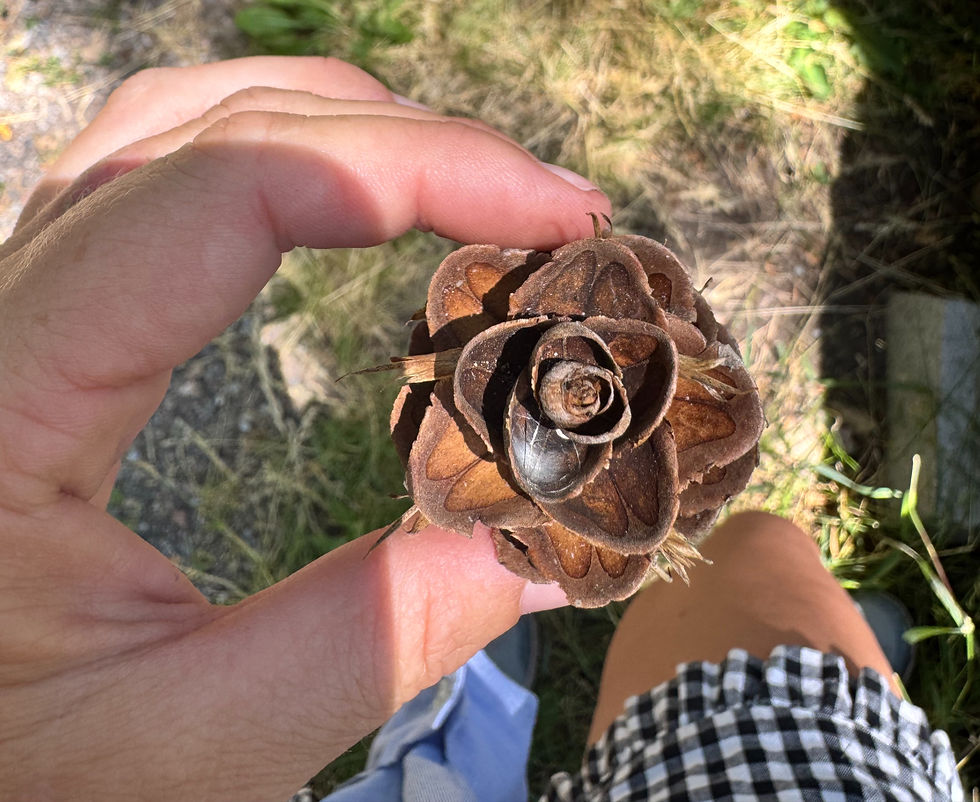
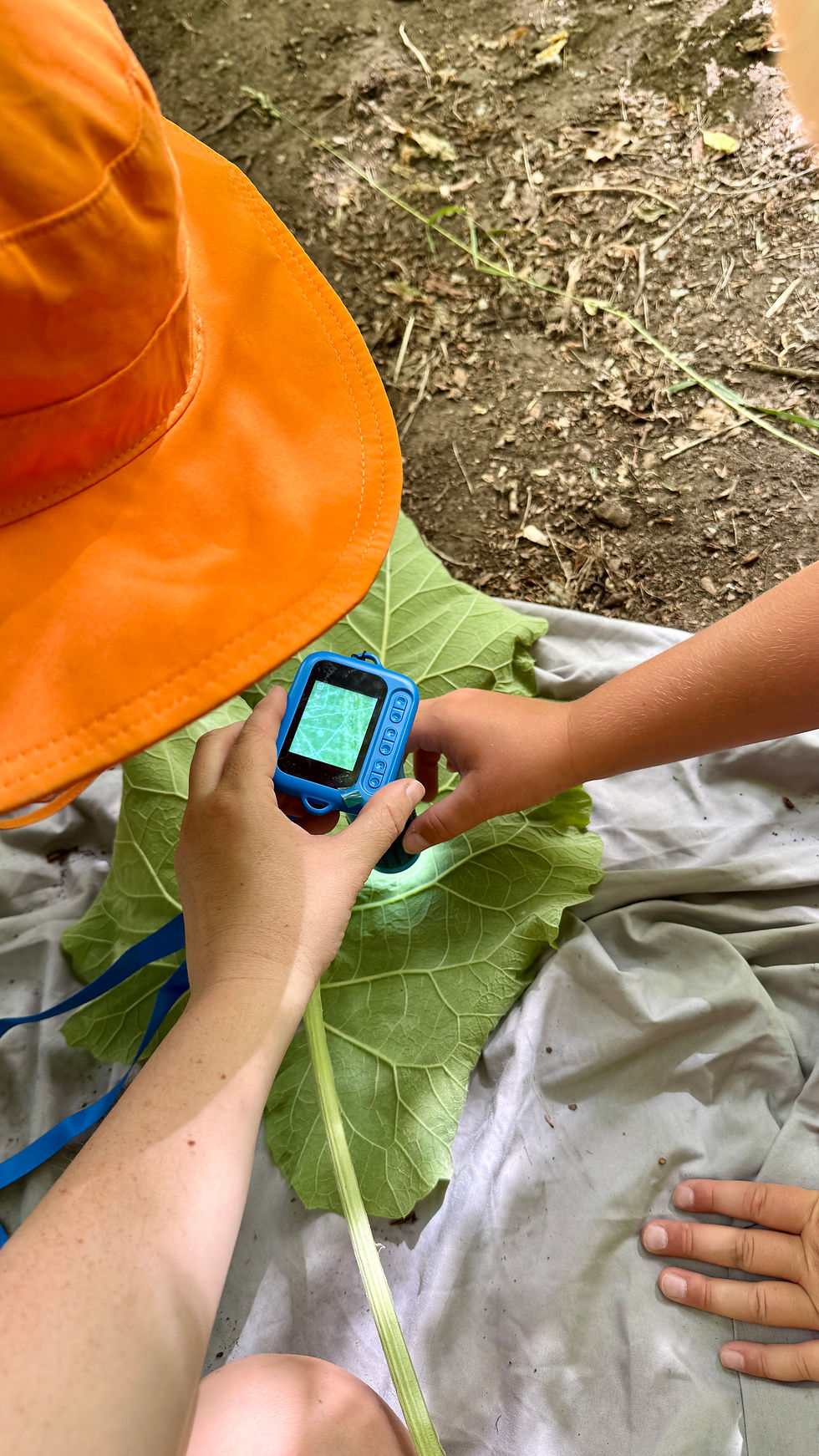
Throughout the day we also found plenty of bugs, and I was impressed by how curious and brave the kids were. Instead of being nervous around insects, they were eager to observe them, hold them carefully, and ask questions about what they were finding.

The hike back was hot, but everyone handled it like a champ.
We stopped for plenty of water breaks and creek breaks along the way. At one point, the kids soaked their hats in the cold water to cool off, and Miss Sidni even organized a competition to see who could sit in the creek the longest. Not surprisingly, that became one of the highlights of the afternoon.
As if the day wasn't memorable enough already, we also came across the biggest dandelion I have ever seen. I still wish I had taken a picture because I don't think anyone would believe how enormous it was.
By the time we made it back, everyone was tired, happy, and covered in the kind of dirt and creek water that tells you a day was well spent.
Honestly, this may have been one of my favorite forest school days yet!
Continue the Learning at Home
Questions to Ask Your Child
About Knife Safety
What is the "blood circle" and why is it important?
What safety gear do we use when whittling?
What was the hardest part about carving?
What did you make with your stick?
About Water Filtration
What materials did you use in your water filter?
Which filter seemed to work best?
What is the difference between filtering water and purifying water?
Why might someone need to filter water in the wilderness?
About Bull Roarers
What sound did your bull roarer make?
Why do you think people used bull roarers before modern technology?
How does spinning the bull roarer create sound?
About Nature Exploration
What bugs did you find today?
Which bug was your favorite?
What surprised you most about the creek?
How big was that giant dandelion?
Family Learning Resources
Water Filtration vs. Water Purification
One of the biggest lessons from this week's activity was learning that clear water is not always safe water.
Videos:
Whittling and Knife Safety
Whittling helps develop patience, focus, fine motor skills, and confidence when practiced safely.
Videos:
Blood circle
Safety and beginner wood carving
How to whittle a fox!
What Is a Bull Roarer?
Bull roarers are one of the oldest known musical and communication tools in human history.
Videos:
How a Bull Roarer Works:
Ancient Communication Tools Explained:

Nature Notes
Why Does Charcoal Help Filter Water?
Charcoal is full of tiny pores that can trap certain impurities and odors. Modern water filters often use a specially processed form called activated charcoal because it has an enormous amount of surface area to capture contaminants.
It's important to remember that charcoal filtration alone does not make water safe to drink. Water still needs proper purification to remove harmful bacteria, viruses, or parasites.

Why Are Dandelions Important?
Common Dandelion are often thought of as weeds, but they are actually one of the earliest and most important food sources for pollinators in the spring.
Their flowers provide nectar and pollen for bees, butterflies, and many other insects when few other plants are blooming.
Family Challenge
Try building your own water filter at home using a plastic bottle, cotton, sand, gravel, and charcoal. Compare the water before and after filtering and discuss what the filter removed—and what it didn't.
Then head outside and see how many insects you can find in 15 minutes. You might be surprised how much wildlife is living right in your backyard! 🐜💧🌼🌲